La Maddalena
Seven granite islands and a protected sea, off the north-east coast of Sardinia.
Seven islands, one sea, very few people.
A national park of seven granite islands — ringed by some fifty uninhabited islets — in clear, shallow water between Sardinia and Corsica. Caprera and the Garibaldi house, the pink sand of Budelli, the sheltered coves of Spargi. La Maddalena is the only one with a town: the place you arrive, eat, and set out from.
Arriving from abroad
Most international visitors land at Olbia (OLB), the closest airport to the archipelago. Pick where you are flying from.
Touch the sea to begin.
Each island keeps its own character — a beach you reach only by boat, a hike to a hidden cove, a harbour table at dusk. Choose one.
La Maddalena
Wild water, or a slow table.
Coves you reach only by boat.
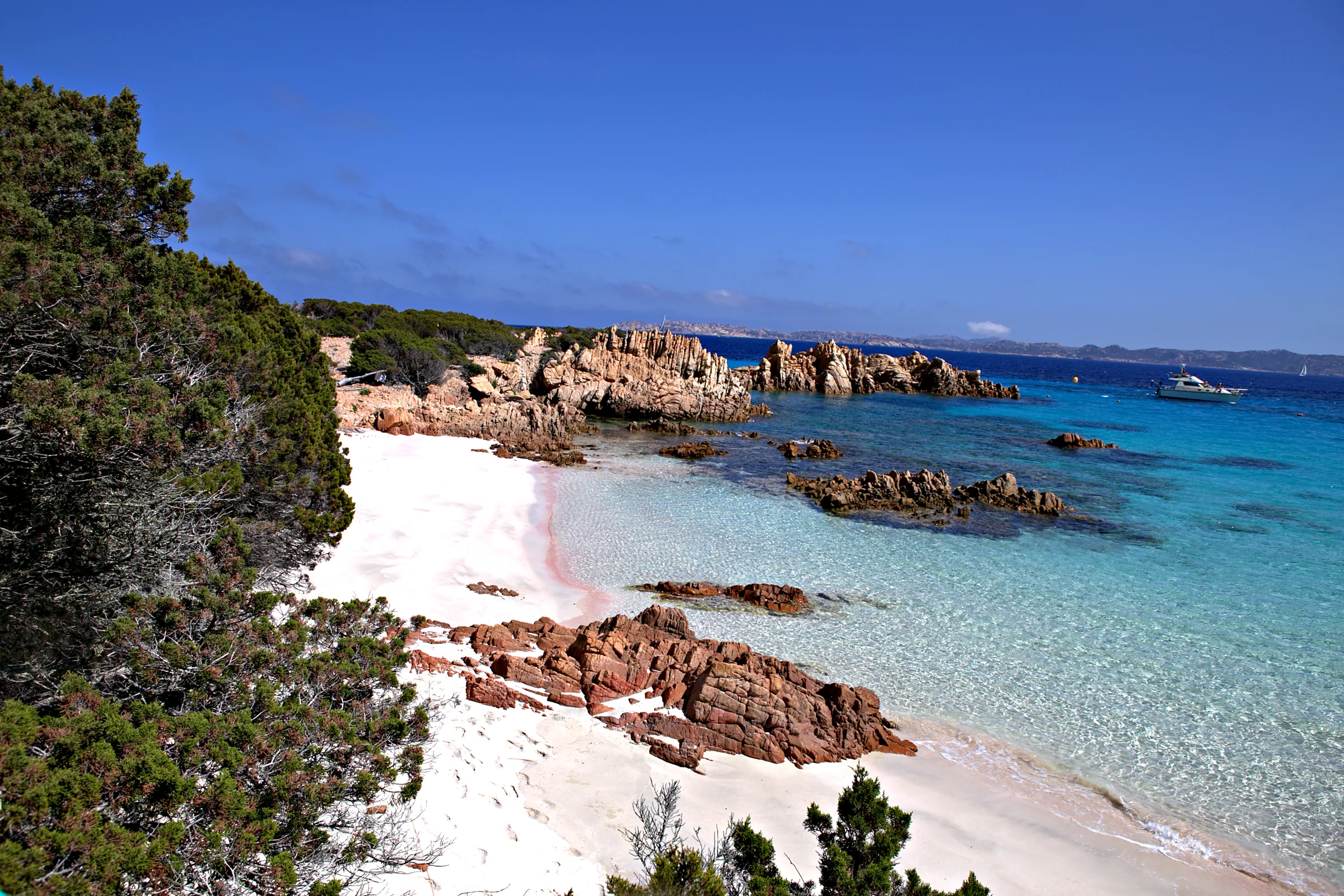
Pink sand at Budelli, turquoise at Cala Coticcio, the white bays of Spargi, sunset from the granite at Punta Tegge. Hike it, paddle it, or anchor and swim.
The catch, the cellar, the makers.
Fish landed that morning in the caruggi, Vermentino and island cheese, Slow Food springs and the artisans of the old town. Eat where the boats come in.
Where to stay in La Maddalena
Most places to stay are on La Maddalena island itself, in and around the town, with quieter options on Caprera and Santo Stefano. Choose by type below.
Boats, tours and sea activities in La Maddalena
The archipelago is best seen from the water. Rent a boat, hire a skipper or join a tour to the outer islands.
Getting to and around La Maddalena
Everything between your plane and the beach: the Olbia airport transfer, the Palau ferry, taxis and transfers, and hiring wheels on the island.
Where to eat and drink in La Maddalena
From the harbour at Cala Gavetta to the lanes of the old town, this is where to eat and drink, checked by people who live here.
Beaches of La Maddalena
One page per beach, with how to get there, what the wind does to it, and the park rules that apply. We are adding beaches now.
Things to do in La Maddalena
Beyond the beaches: sunsets on the granite, the harbour at Cala Gavetta, Garibaldi’s Caprera, trails and the island calendar.
Things worth planning a day around
Things to do →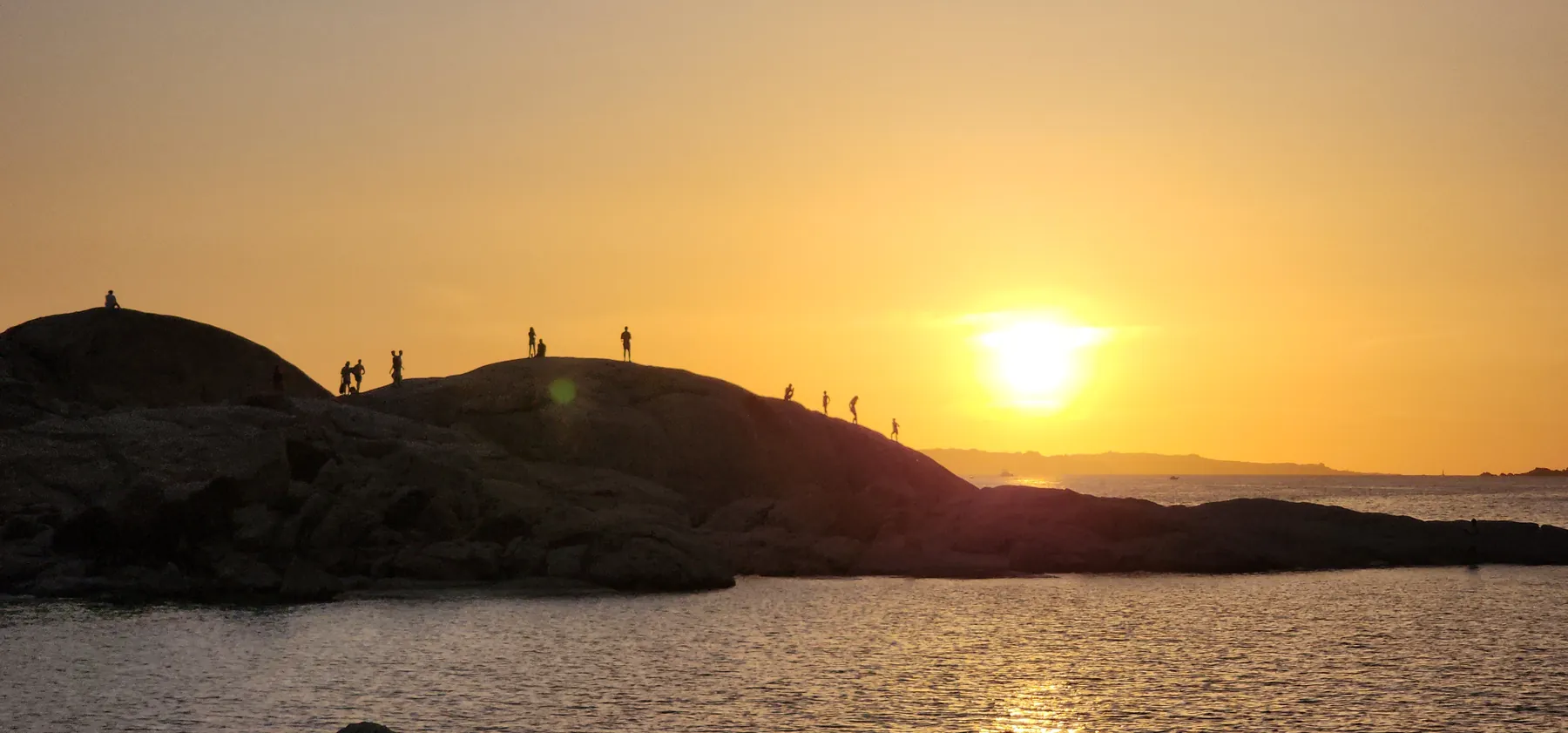
Sunset aperitivo on the granite
The island’s western tip — bring a bottle and watch the sun drop behind the archipelago.
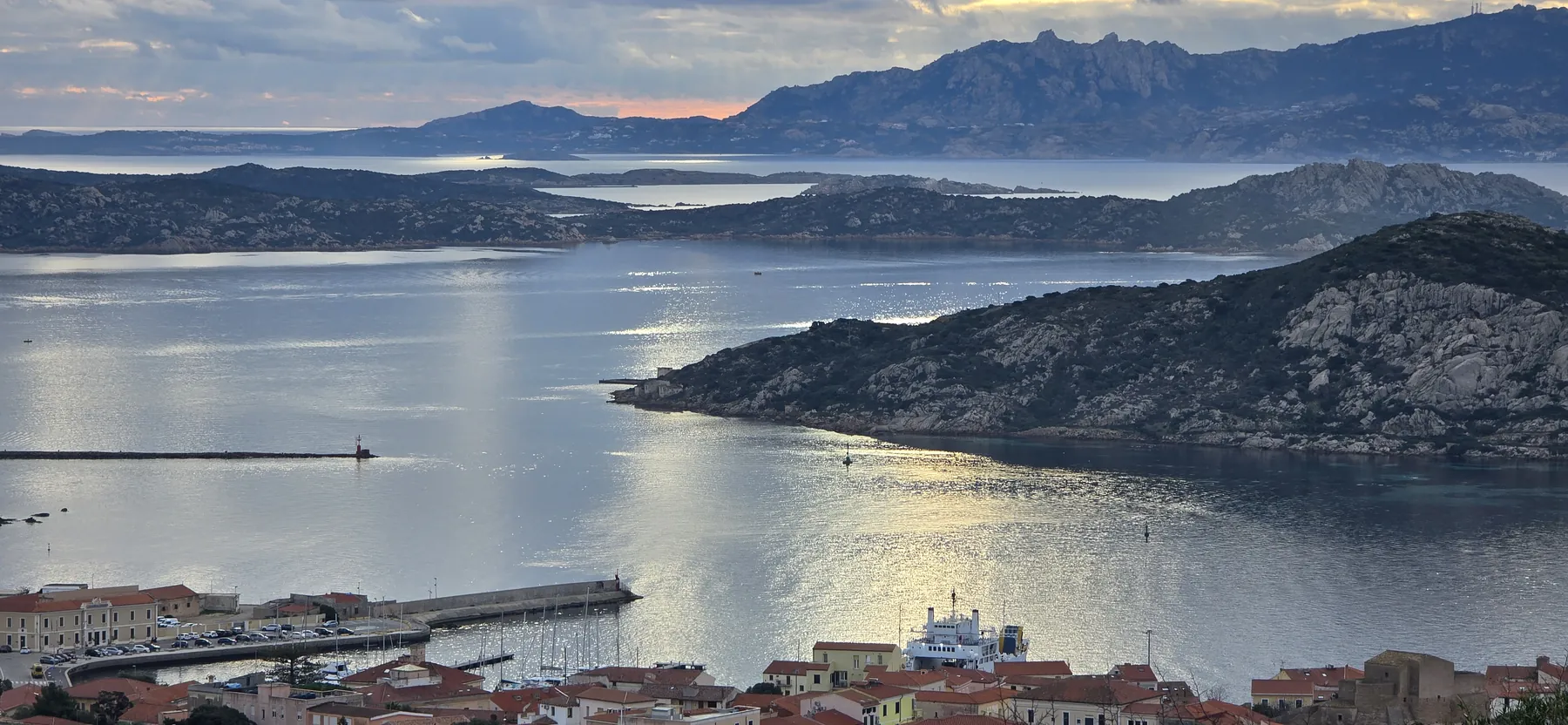
The fish of the day, in the caruggi
Where the boats land and the kitchens follow the catch — then Vermentino in the narrow lanes after dark.
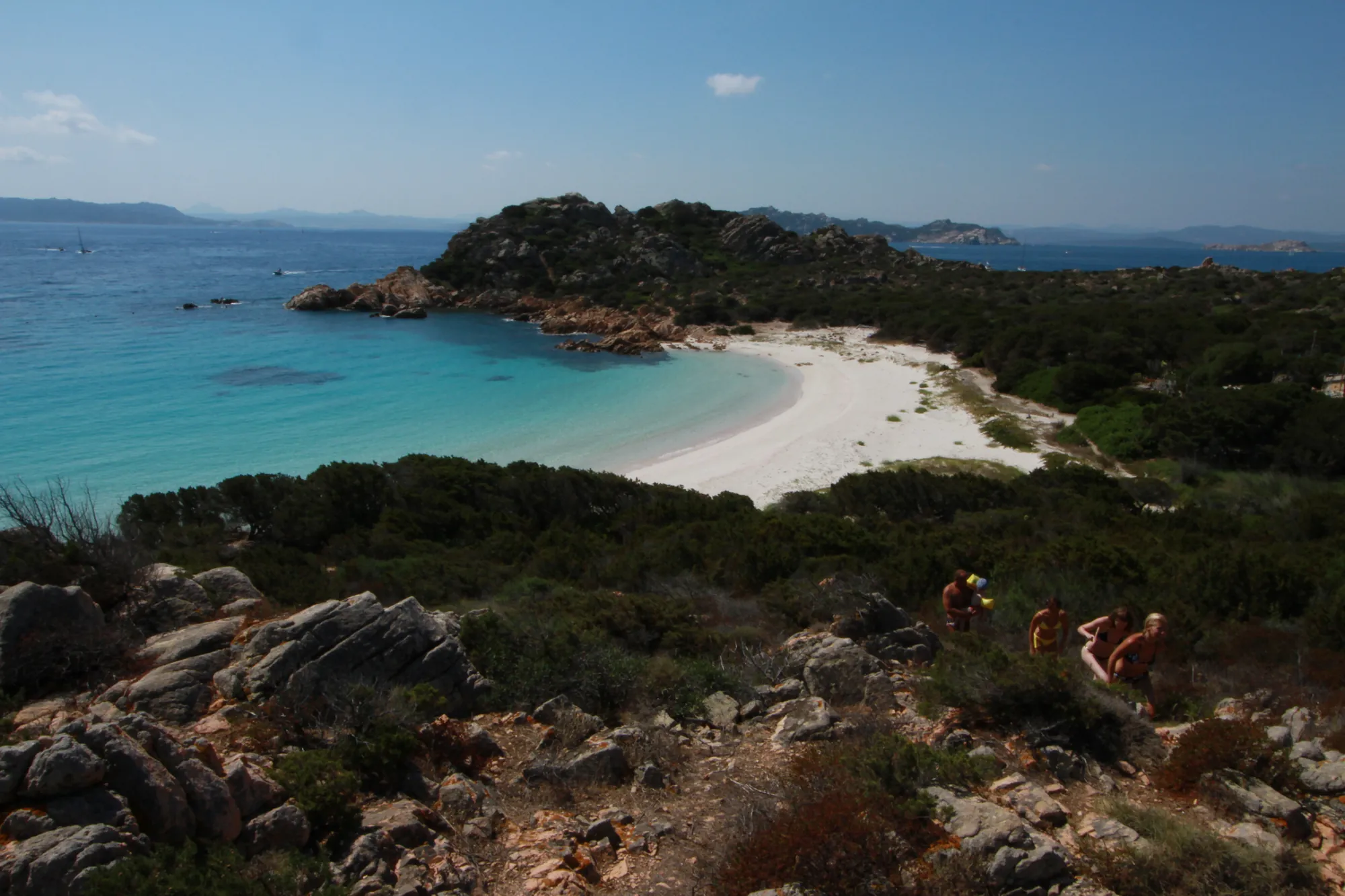
Cala Coticcio — “Tahiti” on foot
A turquoise cove reached by trail. Access is regulated to protect it — go with an authorised guide.
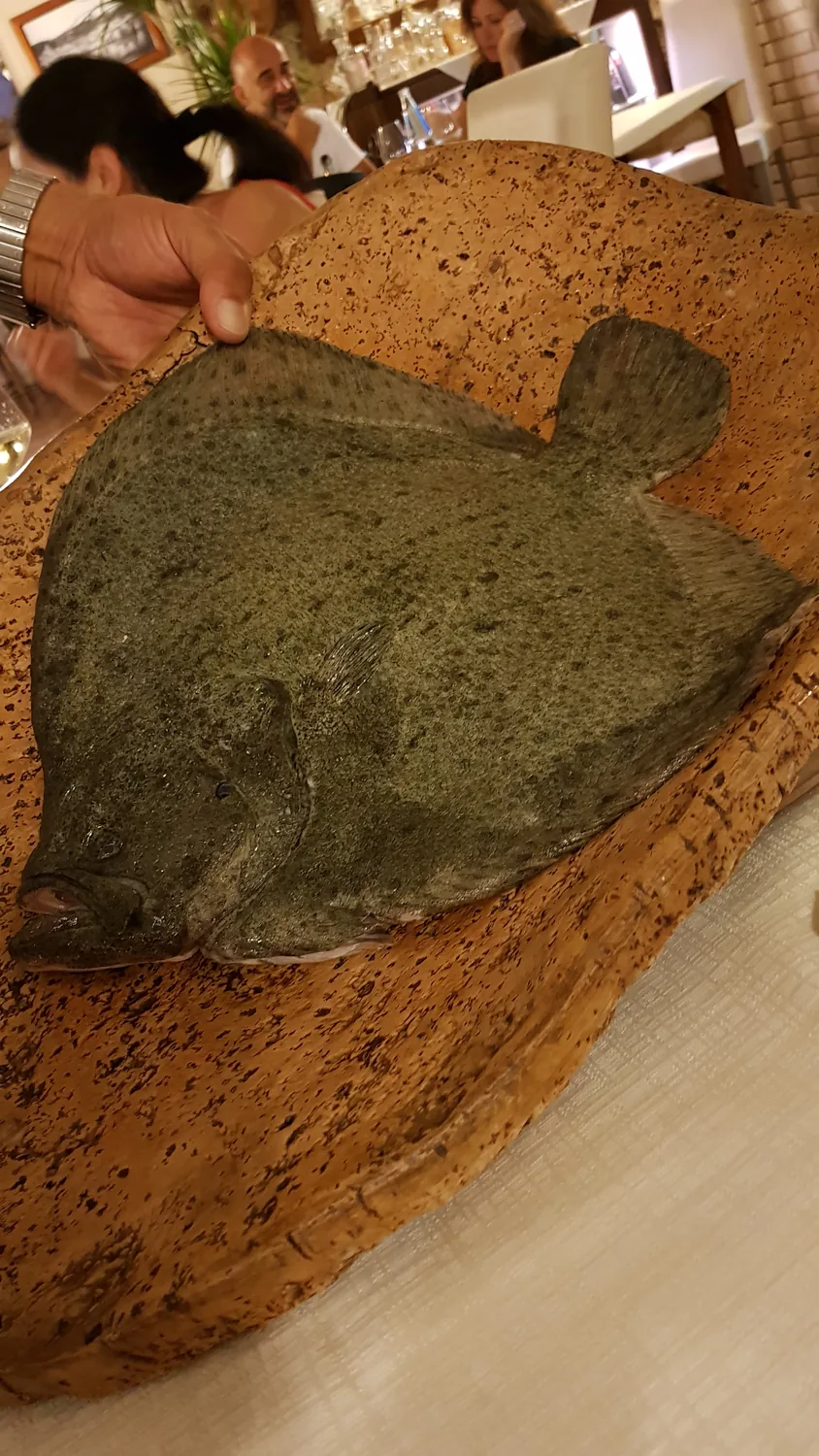
Giugno Slow & the makers
A Slow Food spring of growers, tastings and workshops — the season the island opens its larder.
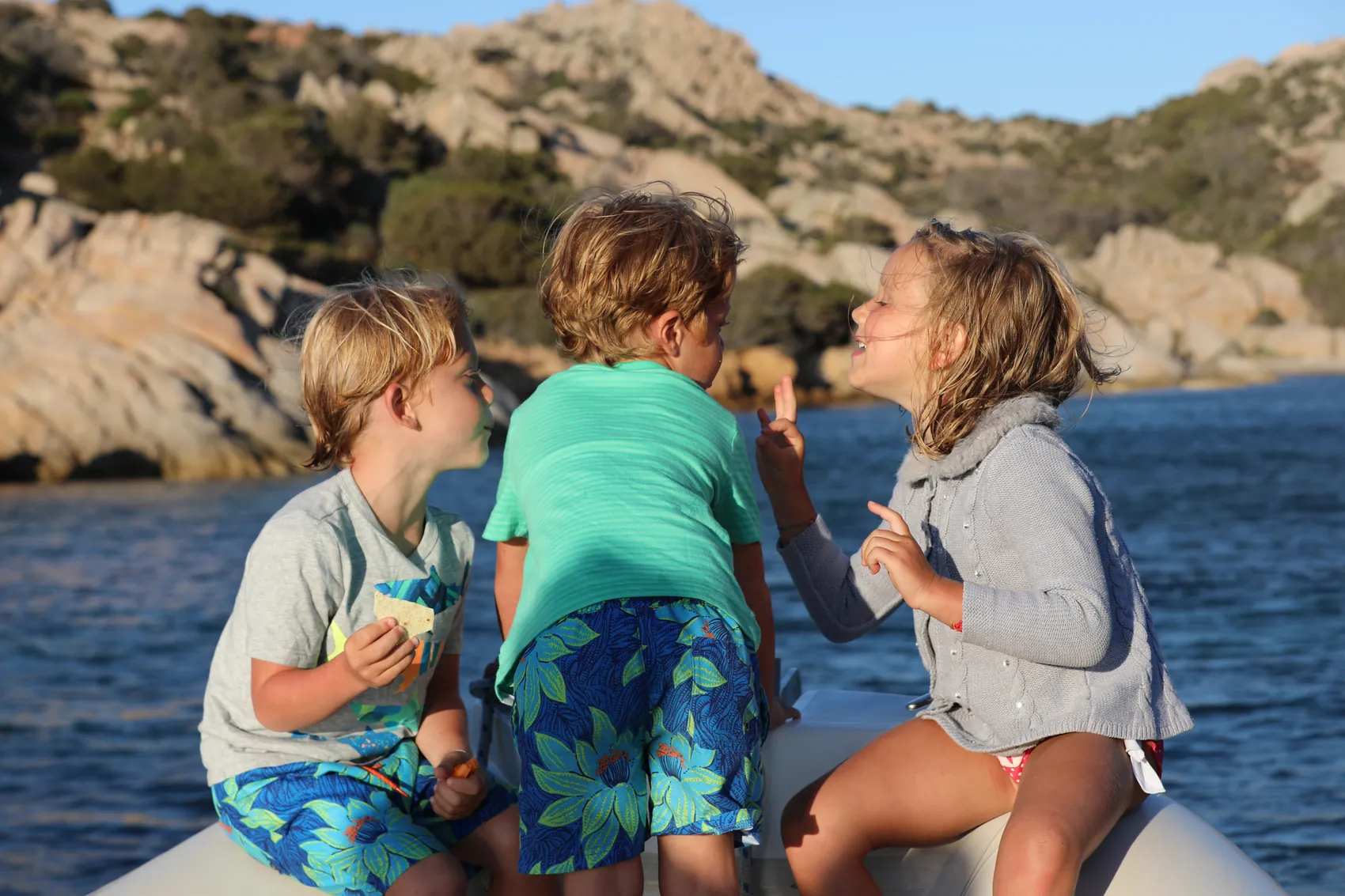
Kayak between the islands
Paddle the channels to Spargi and Santa Maria — SUP, sail and swim stops where the water turns clear.
A granite cottage for a slow week
Quiet houses tucked into the granite, a short walk from the water — the island at its most unhurried.
The island that turned back Napoleon.
For most of its history this was a place of shepherds and fishermen — a scatter of granite islands at the mouth of the Strait of Bonifacio. Commanding one of the Mediterranean’s busiest passages, the archipelago kept company far above its size: Napoleon, Nelson and Garibaldi all left their mark here.
Millelire turns back the French
A French expedition guided by a young artillery officer named Napoleon Bonaparte shelled the town from Santo Stefano. The Maddalena helmsman Domenico Millelire scattered the flotilla and forced its retreat — and became the first man ever awarded the Gold Medal of Military Valour.
Nelson’s two years at anchor
Admiral Horatio Nelson made the sheltered sound between La Maddalena and Santo Stefano his forward base against the French fleet at Toulon. In thanks for the islanders’ welcome he sent silver to the parish church, where it remains today.
Garibaldi’s chosen island
Giuseppe Garibaldi made neighbouring Caprera his home and his last resting place. His house is now the Compendio Garibaldino, reached by boat from the harbour — and the town still carries the Lion of Caprera on its coat of arms.
A year in the rhythm of the archipelago.
Closer than you think.
Land at Olbia
North Sardinia’s gateway — with a new 2026 nonstop from New York (JFK), summer flights from Dubai and the European network.
~1 hr to Palau
A coast road north through Gallura to the little ferry port of Palau, facing the islands across the strait.
~20 min crossing
Delcomar ferries run day and night, 30+ times each way — roughly every 20 minutes. From €4.10 on foot.
Source: Olbia Costa Smeralda Airport network, 2026. Frequencies vary by airline; verify before booking.